Some Thoughts about Starting Over. On Rebuilding in the Palisades and Altadena
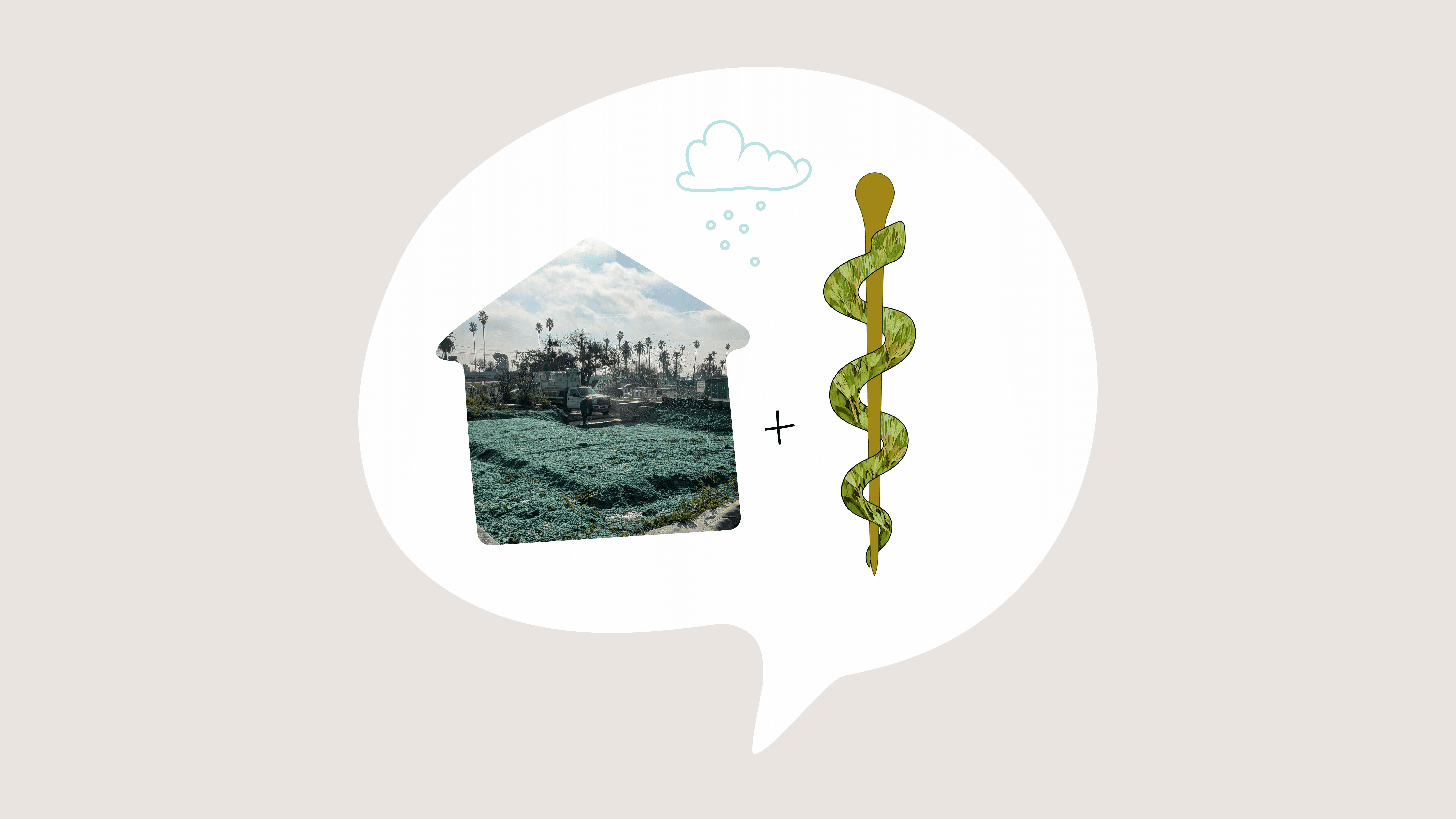
From this disaster comes a singular opportunity: to rebuild not just homes, but the identity of community. To treat the home as a vessel for resilience and social connection. Those families and individuals who chose to rebuild - it's a powerful decision to engage in what will likely be a decade-long effort and the evolution of these neighborhoods.
Opportunities within the Space of Change:
By the destruction of so many homes, there's a resetting of the base model of code compliant, fire resilient structures and gardens. This is an opportunity to build resilient housing stock and an opportunity to examine the design of homes with regards to the health of the occupants.
Garden
In a temperate climate such as the one we enjoy in Los Angeles, gardens and outdoor living are common and embraced and one of best things about living in a semi-outdoor home. Shortly after the fires, a few of the conversations in the design community focused on soil contamination and air quality. Army Corps of engineers scraped the land once. We acknowledged that with the seasonal Santa Ana winds, dry dusty properties waiting to be rebuilt could be full of questionable elements, impacting the health for both builders and homeowners.
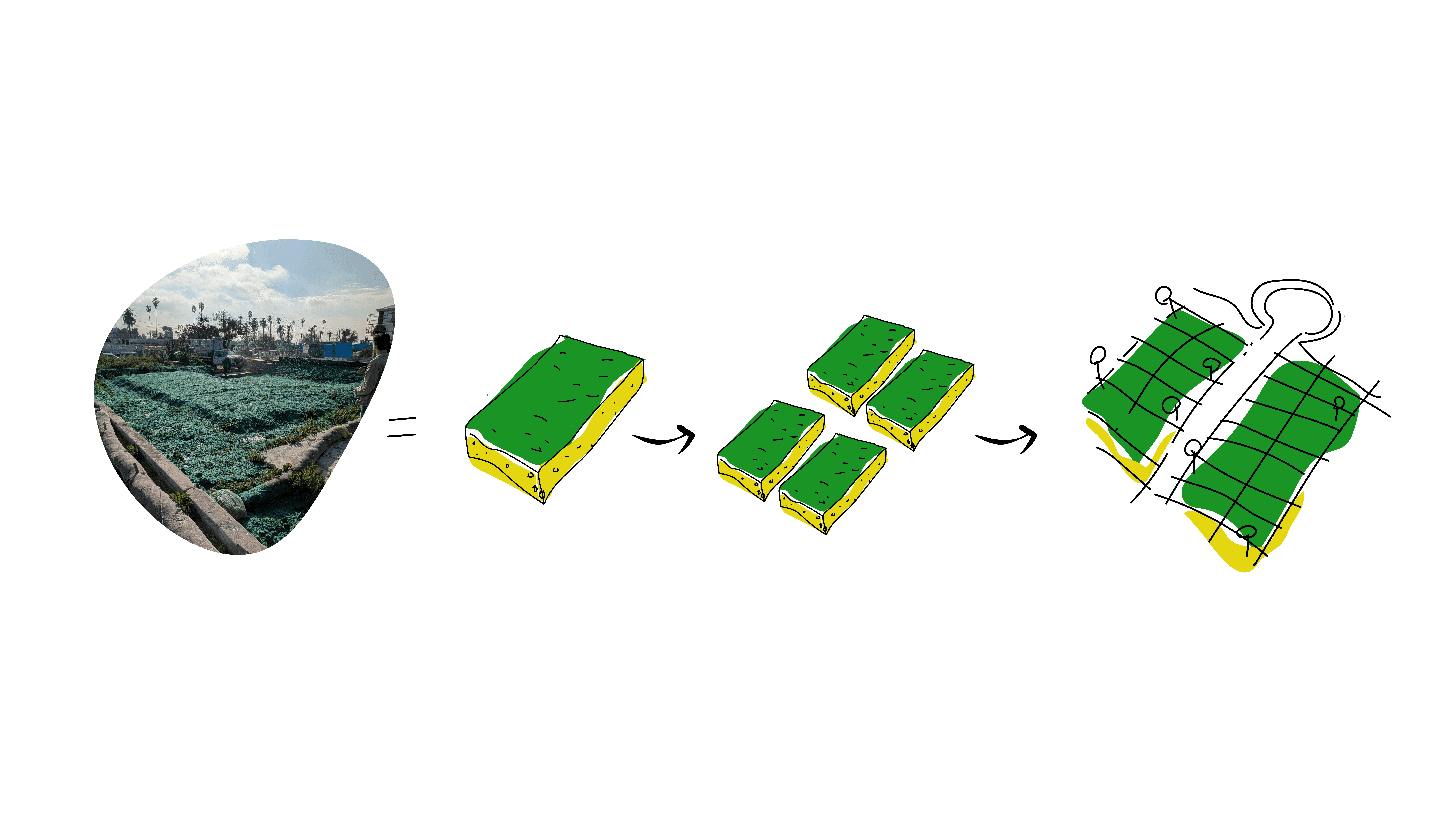
Some designers and homeowners decided to test their soils and plant temporary seed mixes to treat the land while they wait for their homes to be designed and permitted. In discussion with landscape architects, our team hypothesized that maybe in these rebuild neighborhoods, we could take a multi-year approach to landscape. We could design the garden in phases and some of it would be disposable.
Pre-construction: hydroseed mix to address any significant by products of construction burn. Thick mulch layer if financially feasible, to keep a lid on the dust.
Early gardens may need to be disposable. Like the disposable green sponges in your kitchen sink, you tear them out. Scrape the land before construction, and remediate again after construction. Design to meet fire resilient planting strategies - but also consider selection of ground covers that could be removed after 1 year, 2 year, 3 years pending soils testing.
Testing soils for awareness: knowledge for the homeowner - but also, creating an awareness of our surroundings, teaching us all to be stewards of the land. This is a symbiotic relationship that has been haphazard for most homeowners, but now here's a reason to stay aware, there's a monitoring of the land that is encouraging the reminder that homeownership is also land ownership.
Community
Community is a pretty active in Rebuild neighborhoods. The typical isolationist attitude was knocked back pretty hard. With WhatApp and Facebook groups – people are sharing, organizing and uniting to insist on fire resilient utilities and flexibility with yard setbacks and placement of fire resistant property line walls. Neighbors are finding ways to protect each other, all together. Designers are talking about the front yard, the function of the front porch - the driveway for impromptu gathering and socializing. We learned something of this during the Pandemic, and designers are thinking about how the new homes being built might consider the nature of these casual social / community spaces and to build in multi-functional front yards.
Passive house and practical lessons learned
There are other questions that I found really interesting during early concept phase to consider.
Which direction does the Santa Ana wind come from, and should we reduce the windows on that side of the house? Where are windows giving us the maximum benefit (views, living spaces) and where can we use a bit more care to minimize windows. What's also good for thermal loss/gain while minimizing fire entry?
The home’s form is compact to minimize exposure. How compact can we design the house - if we increase the side yards beyond the code requirements to maximize space between homes being built? Setbacks serve as defensible buffers. Orientation aligns with prevailing Santa Ana winds to reduce risk and increase passive cooling. Passive Building strategies including airtight construction will help with cleaning and filtering air for improved occupant health, and the ability to counter air pressure driven wind movement.
Can we build concrete privacy walls along the property lines (better for sound privacy) and minimize fire travel along ground combustibles?
What is the "Forever Home?" Maybe… but in the meantime, it is proactive to consider the future flexibility of the family unit - and include ADUs and ground floor bedrooms to build in the adaptability of the home.
There are many practical adjustments that can make a home more climate sensitive, as well as more community forward, and with built-in flexibility for a family in many stages of life. Thoughtful design and living means a home can have beauty, performance, experience and connection to land. The optimist in me is excited to see how we come through the rebuild with all these opportunities open to us and the spirit of inventiveness and knowledge sharing for the greater good.